
Organic traffic in 2026 doesn’t behave the way it used to. That’s probably the simplest way to put it.
A few years ago, you could publish consistently, target decent keywords, build some links, and see predictable growth. It wasn’t easy, but it was linear. Do the work. Get the traffic.
Now it feels… layered. Slower in some places. Faster in others. More selective.
And maybe that’s the shift people are struggling with. Sustainable organic traffic is no longer about doing more. It’s about building smarter foundations that don’t collapse every time an algorithm shifts slightly.
Let’s walk through what actually matters now.
1. Start With Topical Depth, Not Content Volume
There’s still this lingering idea that publishing more equals growing more. I understand why. Output feels productive.
But in 2026, shallow expansion doesn’t last.
Search engines seem to reward sites that show depth within defined areas. Not scattered authority. Not generic coverage. Real topic ownership.
If you’re trying to build sustainable organic traffic, pick fewer themes and go deeper. Cover beginner questions. Intermediate problems. Advanced edge cases. Link them together intentionally.
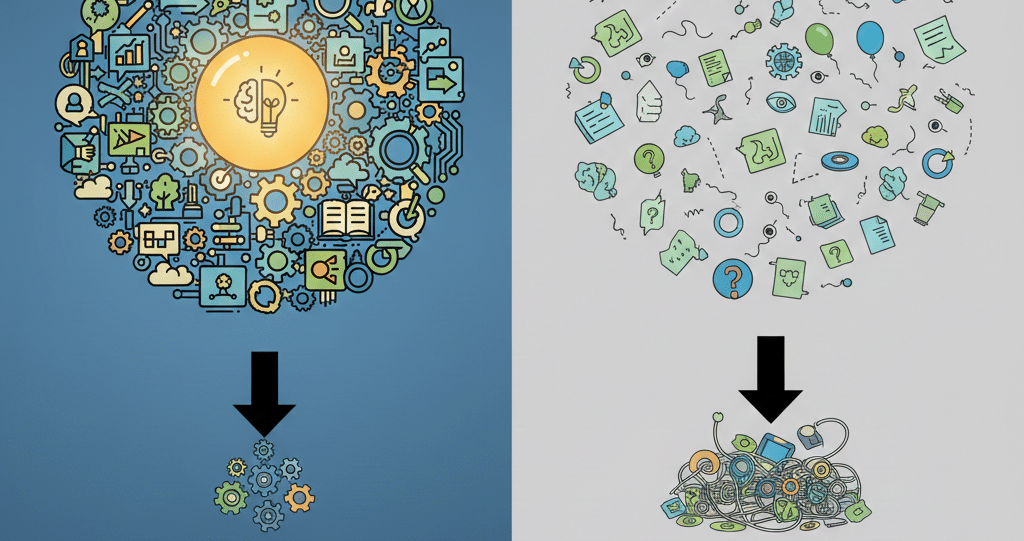
This doesn’t mean writing 200 articles overnight. It means structuring content like a system instead of a stream.
I’ve seen sites publish less frequently but grow steadily because every piece strengthened the previous ones.
That kind of compounding feels slow at first. Then it becomes difficult for competitors to disrupt.
2. Treat Technical SEO Like Infrastructure, Not Maintenance
Technical SEO isn’t exciting. It rarely is.
But ignoring it is like building a house on uneven ground. You might not notice immediately. Then one day, performance feels inconsistent and you’re not sure why.
In 2026, crawl efficiency, clean structure, mobile stability, and speed still matter. Not because they boost rankings directly every time, but because they prevent silent friction.
Sustainable traffic depends on reliability.
If search engines struggle to crawl your site efficiently, or if your pages feel unstable on mobile, you’re building growth on unstable footing.
Infrastructure rarely gets applause. It does protect progress.
3. Build for Intent Clarity, Not Just Keywords
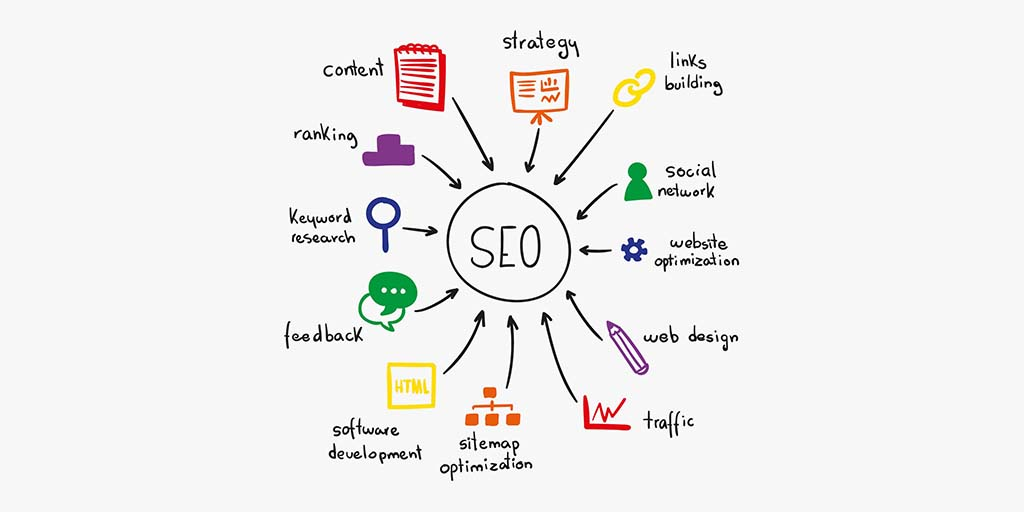
Keyword research hasn’t disappeared. It’s just incomplete on its own.
What matters more now is intent alignment.
If someone searches “best project management tools,” are they comparing pricing? Features? Reviews? Small-team options?
If your page answers a slightly different question than the one users expect, it might rank briefly. It probably won’t hold.
The blueprint for sustainable traffic includes constantly revisiting intent. Not once. Repeatedly.
Search results evolve. Expectations shift. What worked two years ago may feel misaligned now.
The safest growth strategy isn’t chasing new keywords. It’s making sure your current content still matches what users mean.
4. Update More Than You Publish
This one feels counterintuitive at first.
Most teams think growth equals new content. Sometimes it does. But often, the faster gains come from updating what already exists.
Refreshing:
- Outdated examples
- Weak sections
- Misaligned headlines
- Missing context
can revive traffic without adding new URLs.
Older content has history. Authority. Signals.
Sustainable organic growth in 2026 leans heavily on content maintenance. Not glamorous work, but effective.
If I’m honest, I’ve seen refreshed articles outperform brand-new ones more times than I expected.
5. Design Internal Linking With Intention
Internal linking used to be a technical afterthought. Now it feels strategic.
When pages connect clearly, search engines understand your topic structure better. Users navigate more naturally. Authority flows logically.
Random internal links don’t help much. Contextual, intentional ones do.
Every core page should have:
- Supporting content linking back to it
- Logical progression paths
- Clear topical relationships
Without this, even strong content feels isolated.
And isolated content rarely scales.
6. Use AI, But Don’t Let It Flatten Your Voice
AI tools are part of the ecosystem now. Ignoring them isn’t realistic.
Used well, they accelerate drafting, outline generation, and idea expansion. Used poorly, they create uniform content that blends into everything else.
Sustainable traffic depends on differentiation.
If your content sounds like everyone else’s, it may rank temporarily, but it won’t build loyalty. Or branded search. Or long-term trust.
AI should assist your thinking, not replace your perspective.
There’s a difference.
7. Measure Compounding Signals, Not Just Spikes
Short-term spikes feel good. Viral moments. Temporary ranking jumps.
Sustainable organic traffic looks different. It grows gradually. It stabilizes. It becomes predictable.
Instead of obsessing over week-to-week changes, track:
- Ranking stability
- Keyword breadth per page
- Assisted conversions
- Return visits
Those signals reflect durability, not volatility.
Durability is what protects you when search changes again. And it will.
8. Build Brand Alongside Search
This may be the most overlooked piece of the blueprint.
In 2026, brand familiarity influences clicks more than many people admit. If users recognize your name, they’re more likely to trust your result, even when AI summaries or SERP features compete for attention.
Brand doesn’t replace SEO. It strengthens it.
Consistent publishing, voice clarity, distribution, and visibility outside search all reinforce organic growth.
Sustainable traffic rarely comes from search alone. It comes from recognition.
Final Thoughts
There isn’t a secret lever for building sustainable organic traffic in 2026. If there were, it would already be crowded.
What works now is steadier.
Depth over volume. Maintenance over constant expansion. Intent alignment over keyword chasing. Structure over randomness.
And perhaps most importantly, patience over panic.
Organic traffic that lasts is built deliberately. Not aggressively. Not urgently. Deliberately.
It doesn’t spike as dramatically. It also doesn’t disappear as easily.
And in a search landscape that keeps shifting, that stability is worth more than any temporary surge.