
Every year, someone declares on-page SEO dead. And every year, that turns out to be… not true.
What has changed is how forgiving search engines are. In 2026, you can’t get away with surface-level optimization anymore. But the core ideas behind on-page SEO? They still matter. A lot. They’ve just matured.
The pages that rank now don’t look aggressively optimized. They look thoughtful. Clear. Intentional. Almost boring, in a good way.
Here’s what still works—and why it keeps working.
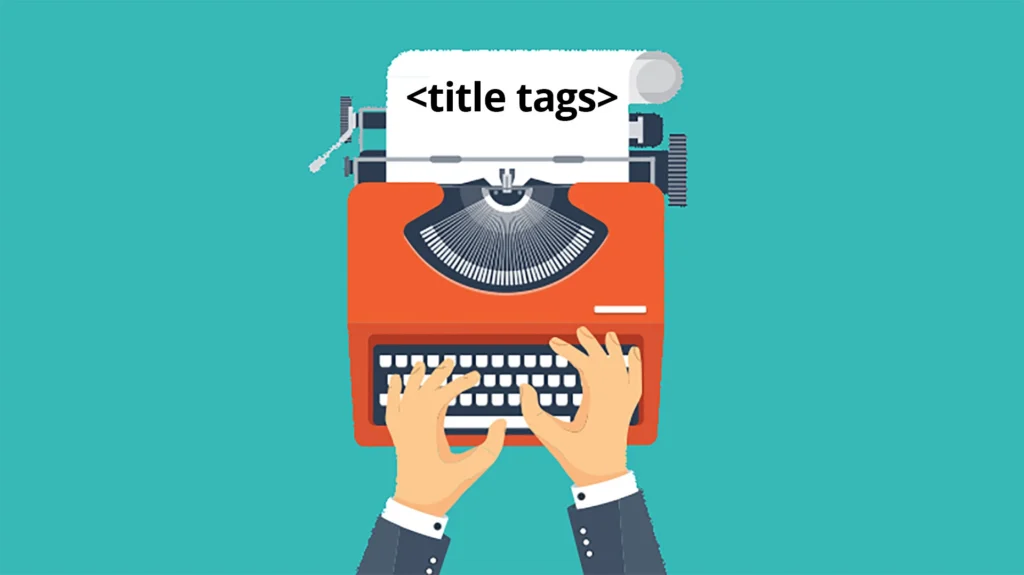
Title tags still matter, just not the way they used to
Yes, title tags are still important. No, stuffing keywords into them doesn’t help.
What works now is alignment. Your title needs to match:
- What the user expects
- What the page actually delivers
- What the SERP already suggests
Titles that overpromise get ignored. Titles that are vague get skipped. The sweet spot is clarity with restraint.
Sometimes that means shorter titles. Sometimes it means being specific instead of clever. Either way, if the title doesn’t feel honest, rankings usually don’t hold.
Headings matter more for structure than keywords
H1s, H2s, H3s. They still help search engines understand content, but not because of keyword placement alone.
Headings now act more like signposts.
Good headings:
- Reflect real questions users have
- Break content into logical steps
- Make skimming possible without losing meaning
Bad headings look optimized. Repetitive. Predictable.
If your headings can be read on their own and still make sense, you’re probably doing it right.
Content that actually resolves intent wins
This is where on-page SEO quietly shifted.
Search engines aren’t just checking if you covered a topic. They’re checking whether users stop searching after reading your page.
That means:
- Addressing confusion directly
- Explaining trade-offs
- Acknowledging edge cases
- Avoiding filler just to hit a word count
A page can be perfectly optimized and still fail if it doesn’t resolve the reason someone searched in the first place.
In 2026, resolution matters more than coverage.
Internal linking is still underrated (and underused)
Internal links are one of the few on-page techniques that consistently deliver results, yet many sites barely use them strategically.
Good internal linking:
- Clarifies topical relationships
- Reinforces authority pages
- Helps crawlers prioritize content
- Improves user flow naturally
What doesn’t work anymore is random linking “for SEO.” Links need context. They need to make sense for a reader.
If a link feels helpful to a human, it usually helps SEO too.
URL structure still sends signals (quietly)
URLs don’t need to be short at all costs, but they do need to be clean.
What still works:
- Descriptive URLs
- Logical hierarchy
- No unnecessary parameters
- Consistency across the site
URLs are rarely the reason a page ranks, but messy URLs often correlate with messy structure. And structure problems almost always show up elsewhere.
Clean URLs are more about discipline than optimization.
Page experience influences how long rankings last
Core Web Vitals didn’t replace content quality. They reinforced it.
In 2026, pages that:
- Load predictably
- Don’t shift layouts
- Work well on mobile
- Feel stable and readable
tend to hold rankings longer.
This isn’t about chasing perfect scores. It’s about avoiding friction. If users hesitate, scroll back, or bounce quickly, on-page signals weaken.
Search engines notice patterns. Not perfection.
Keyword usage still matters, but context matters more
Keywords didn’t disappear. They just stopped working in isolation.
What works now:
- Using primary terms naturally
- Supporting them with related language
- Covering variations through meaning, not repetition
What doesn’t:
- Exact-match obsession
- Forcing keywords into every section
- Writing “SEO-sounding” sentences
If a paragraph sounds like it was written for an algorithm, users feel it first. Search engines follow.
Visual structure is part of on-page SEO now
This doesn’t get talked about enough.
White space. Short paragraphs. Lists that actually help. Visual breaks that make reading easier.
These things influence engagement, and engagement influences how content performs.
A wall of text, even if it’s good, underperforms. Not because search engines can’t read it, but because humans don’t want to.
On-page SEO includes how content feels to read.
Updating pages is an on-page technique, not maintenance
One mistake people make is treating updates as cleanup work.
In reality, refreshing content is one of the strongest on-page SEO techniques that still works in 2026.
Updating:
- Examples
- Sections that underperform
- Headings that no longer match intent
- Outdated assumptions
often leads to ranking improvements without publishing anything new.
Search engines reward care. Quietly, but consistently.
Tools help, but judgment still matters
On-page SEO tools can point out issues. Missing tags. Slow pages. Thin sections.
What they can’t do is decide:
- What deserves emphasis
- What should be removed
- What’s genuinely helpful
Platforms like ANO SEO are most useful when they support decisions, not automate them blindly. Data shows you where to look. Humans decide what to do.
That balance is where sustainable SEO lives.
Final thoughts
On-page SEO in 2026 isn’t about tricks. It’s about alignment.
Alignment between:
- Page and intent
- Structure and clarity
- Optimization and usefulness
The techniques that still work are the ones that never stopped working. They just stopped being optional.
And the pages that win aren’t the most optimized.
They’re the most considerate.