
Ranking in search used to feel relatively straightforward. Optimize a page. Build authority. Improve links. Refine structure. Wait.
Now? It feels more layered.
AI-powered search results have changed the experience in subtle ways. You still have organic listings, yes. But they’re surrounded by AI summaries, contextual answers, dynamic snippets, and blended information panels. In some cases, the AI response satisfies the user before they even consider clicking.
That’s unsettling if you rely on traffic.
But it’s also not the end of search. It’s just a shift in what “ranking” means.
Ranking Is No Longer Just About Position
In 2026, being position one isn’t the same as owning attention.
Sometimes an AI-generated overview appears above traditional results. Sometimes the AI response pulls from multiple sources. Sometimes users skim that and leave.
So the first mindset shift is this: ranking isn’t just about appearing high. It’s about being referenced, cited, or structured in a way AI systems can use.
That changes how you think about optimization.
You’re not only optimizing for search engines anymore. You’re optimizing for AI interpretation.

Structure Matters More Than Ever
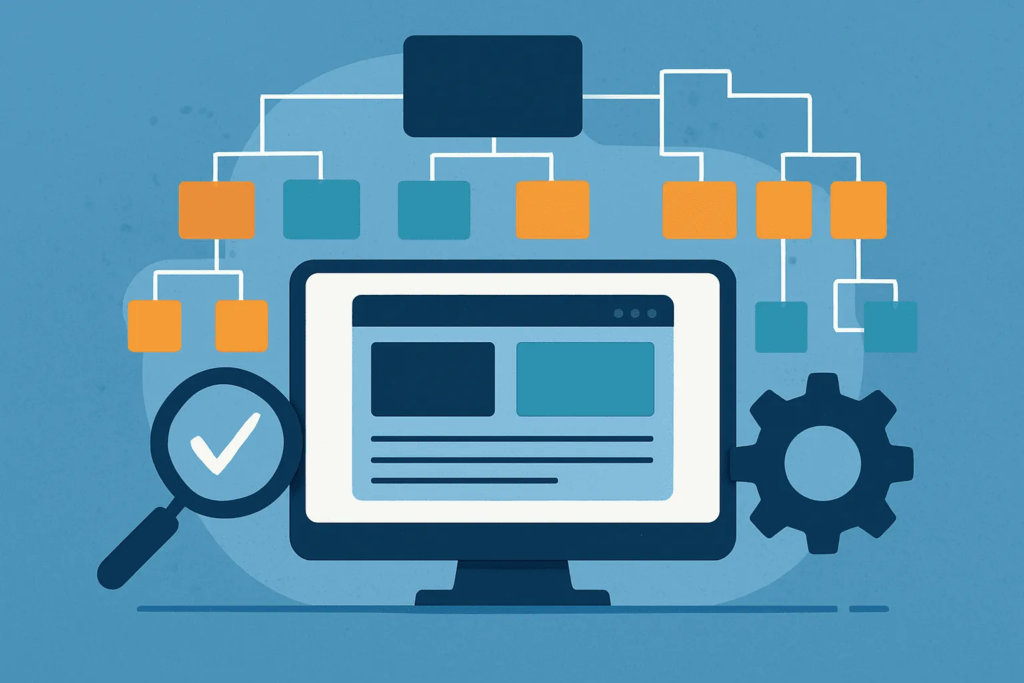
AI systems rely heavily on structure.
Clear headings. Logical sections. Direct answers. Concise explanations followed by deeper context.
If your content is chaotic or overly decorative, it’s harder for AI models to extract useful summaries. Pages that perform well in AI-powered search often follow a pattern:
They answer the core question quickly.
Then they expand.
Then they clarify edge cases.
It’s not about oversimplifying. It’s about making information digestible.
Ironically, writing for AI often improves writing for humans.
Intent Clarity Beats Keyword Density
Keyword stuffing was fading long before AI search took over. Now it’s practically irrelevant.
AI models don’t need repeated phrases to understand context. They evaluate meaning. Relationships. Relevance across the page.
In 2026, ranking in AI-powered search requires clarity of intent.
Ask yourself:
- What precise question does this page answer?
- What confusion does it resolve?
- What decision does it help with?
Pages that try to answer everything vaguely tend to get ignored in AI summaries. Pages that solve one problem clearly are more likely to be referenced.
Topical Authority Is Becoming Non-Negotiable
AI-powered search doesn’t just evaluate single pages. It evaluates domain-level context.
If your site covers a topic deeply and consistently, AI systems are more likely to treat your content as credible.
That means:
- Building clusters, not isolated posts
- Connecting related pages intentionally
- Updating content regularly
This isn’t new advice, but it’s more critical now.
Ranking once is easier than being repeatedly cited.
First-Hand Insight Is Harder to Replicate
AI-generated summaries pull from what’s widely available. Generic explanations are easy to replace.
Original insight is harder.
Pages that include:
- Real examples
- Practical trade-offs
- Honest limitations
- Slight nuance
tend to stand out more.
You don’t need dramatic case studies. Even small, grounded observations help differentiate your content from the sea of similar summaries.
AI systems look for signals of depth and uniqueness. So do users.
Technical Foundations Still Matter
It’s tempting to think AI-powered search makes technical SEO less important. It doesn’t.
If your site:
- Loads slowly
- Has crawl issues
- Lacks clean structure
- Is difficult to interpret
AI systems are less likely to prioritize it.
Structured data, clear HTML hierarchy, and logical linking help AI models parse your content accurately.
In many cases, the technical hygiene of a site influences whether it’s considered stable enough to reference.
Infrastructure still underpins visibility.
Optimize for Extractability
This might sound strange, but it’s useful.
Ask: If an AI model scanned this page, what would it easily extract?
Bullet points summarizing steps.
Clear definitions in short paragraphs.
Well-labeled sections.
You’re not writing for machines exclusively. But making your content extractable increases the chance it appears in AI-powered summaries.
Dense, unstructured paragraphs reduce that chance.
Readable content is reusable content.
Branding Is Quietly More Important
Here’s something that’s easy to miss.
Even when users don’t click, they see names.
If your brand consistently appears in AI summaries or near the top of AI-powered results, recognition builds.
Recognition influences later clicks.
In AI-driven environments, visibility sometimes precedes traffic.
This is why consistency matters. Not just isolated wins.
Monitor Performance Differently
Traditional metrics still matter. Rankings. Click-through rate. Traffic.
But AI-powered search requires additional awareness.
Track:
- Impressions even when clicks drop
- Query expansion on existing pages
- Featured snippet appearances
- Mentions in AI summaries
Some platforms are adapting to provide this insight. Tools like ANO SEO help connect search console data with performance shifts, making it easier to see where AI-driven changes are influencing visibility.
Understanding impact is half the battle.
Avoid Reactionary Changes
One of the biggest mistakes brands make is overreacting.
AI search rolls out new features. Traffic shifts. Panic follows. Entire strategies get scrapped.
Sustainable ranking in 2026 isn’t about chasing every adjustment. It’s about reinforcing fundamentals:
Clarity. Authority. Structure. Relevance.
AI-powered search rewards content that was already strong.
It penalizes shortcuts more quickly.
Final Thoughts
Ranking in AI-powered search results in 2026 isn’t about tricking algorithms. It’s about being genuinely useful in a format AI systems can understand.
Clear structure. Intent alignment. Depth within defined topics. Technical stability. Subtle originality.
The fundamentals haven’t disappeared. They’ve sharpened.
If your content helps people think more clearly, decide more confidently, and understand more fully, it stands a better chance of being surfaced, summarized, or cited.
And in a search environment powered by AI, that’s what ranking really means now.