
What worked when you were publishing one or two pieces a month suddenly stops working when you try to scale. Deadlines slip. Quality drops. Ideas start repeating themselves. And instead of feeling like growth, content starts to feel… heavy.
Scaling content isn’t just about producing more. In fact, that mindset is usually what causes things to break. A scalable content strategy is really about building systems that hold up as volume, complexity, and expectations increase.
It sounds obvious. It’s also harder than it looks.
Start With a Clear Reason for Scaling
Before you change tools, hire writers, or plan bigger calendars, pause for a second.
Why do you want to scale?
More traffic is a common answer. So is lead generation. Sometimes it’s brand authority. Sometimes it’s pressure from leadership. All valid reasons. But they lead to very different strategies.
If you don’t define the goal clearly, you’ll scale activity, not outcomes. That’s when content grows in volume but not in value.
I’ve seen teams double output and still feel stuck. Usually, the problem wasn’t effort. It was direction.

Build Around Topics, Not Individual Posts
One of the biggest shifts required for scale is moving away from isolated content ideas.
Single blog posts are fragile. Topic clusters are resilient.
Instead of asking, “What should we write this week?” ask, “What topic do we want to own over the next six months?” Then break that topic into supporting pieces. Guides, FAQs, comparisons, updates, examples.
This approach makes scaling easier because each new piece has a purpose. It supports something bigger. It also reduces the mental load of idea generation, which is often underestimated.
Separate Strategy From Execution
In small teams, the same person often does everything. Research, writing, editing, publishing, distribution. That works… until it doesn’t.
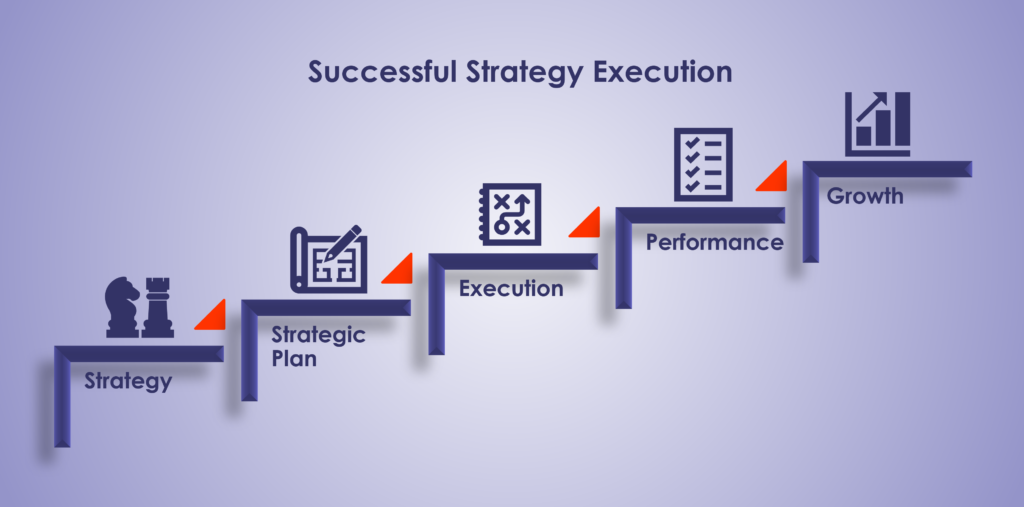
A scalable content strategy separates thinking from doing.
That doesn’t mean hiring a huge team. It means clearly defining:
- Who decides what gets created
- Who creates it
- Who reviews it
- Who distributes it
Even if one person wears multiple hats, the process should be clear. Otherwise, content decisions become reactive, and scaling turns chaotic.
Create Flexible Content Standards
Rigid rules don’t scale well. Neither does complete freedom.
The sweet spot is flexible standards.
Instead of strict word counts, define ranges. Instead of fixed templates, define principles. Tone, depth, audience awareness, accuracy. These guide writers without boxing them in.
This matters more than it sounds. When new contributors join or workloads increase, standards protect quality without slowing everything down.
Design for Reuse From Day One
Scalable content is designed to travel.
A long-form article can become:
- Multiple short insights
- A newsletter section
- Talking points for sales
- A reference for future updates
If content is written with reuse in mind, scaling becomes more efficient. You’re not starting from zero every time. You’re building on what already exists.
Oddly enough, this also improves quality. Writers tend to think more clearly when they know content will be reused in different contexts.
Make Updates Part of the Strategy
Most teams treat updates as maintenance. Scalable teams treat them as growth.
Old content is often your fastest path to better results. It already has history. It already ranks somewhere. It already has data.
When scaling, plan updates alongside new content. Decide in advance how often key pieces will be reviewed and refreshed. This prevents content decay and reduces the pressure to constantly publish new material.
Sometimes, scaling means writing less and improving more.
Don’t Ignore Distribution Systems
Creation gets the spotlight. Distribution does the heavy lifting.
A scalable strategy includes clear distribution workflows. Where content is shared. How often. In what formats. By whom.
This isn’t about spamming every channel. It’s about consistency and reach. The same piece of content should surface multiple times, in different ways, for different audiences.
Without a distribution system, scaling creation just increases the pile of unseen content.
Use Tools, But Don’t Let Them Lead
Tools can support scale, but they can’t define strategy.
Calendars help with visibility. Analytics help with decisions. AI can speed up certain tasks. But none of these replace thinking.
The danger at scale is letting tools dictate output. More slots to fill. More metrics to chase. More noise.
The best content strategies stay human-led, even when they use automation. Tools should remove friction, not replace judgment.
Accept That Not Everything Will Be Perfect
This part is uncomfortable, but important.
At scale, perfection doesn’t survive. Waiting until every piece is flawless will slow everything down. That doesn’t mean lowering standards. It means prioritizing what matters most.
Some content will be exceptional. Some will be solid. A few will miss the mark. That’s normal. What matters is learning quickly and adjusting.
Consistency beats perfection over time.
Scaling Is a Mindset Shift
Perhaps the hardest part of building a scalable content strategy is letting go of how things used to work.
You can’t manage ten pieces the same way you managed two. You can’t review everything line by line forever. You can’t rely on inspiration alone.
Scaling requires systems, trust, and a willingness to refine as you go.
Done right, content stops feeling like a treadmill. It becomes an asset that compounds. Not louder. Just stronger.
And that’s what scalable content is really about.
At some point, every content team hits the same wall.
What worked when you were publishing one or two pieces a month suddenly stops working when you try to scale. Deadlines slip. Quality drops. Ideas start repeating themselves. And instead of feeling like growth, content starts to feel… heavy.
Scaling content isn’t just about producing more. In fact, that mindset is usually what causes things to break. A scalable content strategy is really about building systems that hold up as volume, complexity, and expectations increase.
It sounds obvious. It’s also harder than it looks.
Start With a Clear Reason for Scaling
Before you change tools, hire writers, or plan bigger calendars, pause for a second.
Why do you want to scale?
More traffic is a common answer. So is lead generation. Sometimes it’s brand authority. Sometimes it’s pressure from leadership. All valid reasons. But they lead to very different strategies.
If you don’t define the goal clearly, you’ll scale activity, not outcomes. That’s when content grows in volume but not in value.
I’ve seen teams double output and still feel stuck. Usually, the problem wasn’t effort. It was direction.
Build Around Topics, Not Individual Posts
One of the biggest shifts required for scale is moving away from isolated content ideas.
Single blog posts are fragile. Topic clusters are resilient.
Instead of asking, “What should we write this week?” ask, “What topic do we want to own over the next six months?” Then break that topic into supporting pieces. Guides, FAQs, comparisons, updates, examples.
This approach makes scaling easier because each new piece has a purpose. It supports something bigger. It also reduces the mental load of idea generation, which is often underestimated.
Separate Strategy From Execution
In small teams, the same person often does everything. Research, writing, editing, publishing, distribution. That works… until it doesn’t.
A scalable content strategy separates thinking from doing.
That doesn’t mean hiring a huge team. It means clearly defining:
- Who decides what gets created
- Who creates it
- Who reviews it
- Who distributes it
Even if one person wears multiple hats, the process should be clear. Otherwise, content decisions become reactive, and scaling turns chaotic.
Create Flexible Content Standards
Rigid rules don’t scale well. Neither does complete freedom.
The sweet spot is flexible standards.
Instead of strict word counts, define ranges. Instead of fixed templates, define principles. Tone, depth, audience awareness, accuracy. These guide writers without boxing them in.
This matters more than it sounds. When new contributors join or workloads increase, standards protect quality without slowing everything down.
Design for Reuse From Day One
Scalable content is designed to travel.
A long-form article can become:
- Multiple short insights
- A newsletter section
- Talking points for sales
- A reference for future updates
If content is written with reuse in mind, scaling becomes more efficient. You’re not starting from zero every time. You’re building on what already exists.
Oddly enough, this also improves quality. Writers tend to think more clearly when they know content will be reused in different contexts.
Make Updates Part of the Strategy
Most teams treat updates as maintenance. Scalable teams treat them as growth.
Old content is often your fastest path to better results. It already has history. It already ranks somewhere. It already has data.
When scaling, plan updates alongside new content. Decide in advance how often key pieces will be reviewed and refreshed. This prevents content decay and reduces the pressure to constantly publish new material.
Sometimes, scaling means writing less and improving more.
Don’t Ignore Distribution Systems
Creation gets the spotlight. Distribution does the heavy lifting.
A scalable strategy includes clear distribution workflows. Where content is shared. How often. In what formats. By whom.
This isn’t about spamming every channel. It’s about consistency and reach. The same piece of content should surface multiple times, in different ways, for different audiences.
Without a distribution system, scaling creation just increases the pile of unseen content.
Use Tools, But Don’t Let Them Lead
Tools can support scale, but they can’t define strategy.
Calendars help with visibility. Analytics help with decisions. AI can speed up certain tasks. But none of these replace thinking.
The danger at scale is letting tools dictate output. More slots to fill. More metrics to chase. More noise.
The best content strategies stay human-led, even when they use automation. Tools should remove friction, not replace judgment.
Accept That Not Everything Will Be Perfect
This part is uncomfortable, but important.
At scale, perfection doesn’t survive. Waiting until every piece is flawless will slow everything down. That doesn’t mean lowering standards. It means prioritizing what matters most.
Some content will be exceptional. Some will be solid. A few will miss the mark. That’s normal. What matters is learning quickly and adjusting.
Consistency beats perfection over time.
Scaling Is a Mindset Shift
Perhaps the hardest part of building a scalable content strategy is letting go of how things used to work.
You can’t manage ten pieces the same way you managed two. You can’t review everything line by line forever. You can’t rely on inspiration alone.
Scaling requires systems, trust, and a willingness to refine as you go.
Done right, content stops feeling like a treadmill. It becomes an asset that compounds. Not louder. Just stronger.
And that’s what scalable content is really about.