
If you talk to ten content marketers about the tools they use, you’ll probably hear ten different stacks. Some swear by complex dashboards. Others rely on a handful of simple tools they know inside out. Both approaches can work. But as we move deeper into 2026, one thing is becoming clear: content marketing isn’t about having more tools anymore. It’s about having the right ones.
The landscape has shifted. Search behavior has changed. AI has grown up a bit. Audiences are pickier. And attention is harder to earn than ever. The tools that matter now are the ones that save time, sharpen decisions, and help content actually perform after it’s published.
Here are ten tools every content marketer should seriously consider using in 2026, not because they’re trendy, but because they solve real problems.
1. A Search Console Analytics Tool You’ll Actually Use
Google Search Console is powerful, but let’s be honest, it’s not always friendly. In 2026, content marketers need tools that sit on top of Search Console data and turn it into insights you can act on quickly.
These tools help you spot declining pages, emerging queries, and content that’s close to ranking but needs a push. They’re especially useful for refreshing old content instead of constantly creating new posts.
If you’re not checking Search Console data weekly, you’re probably missing easy wins.
2. An AI Writing Assistant (Used Carefully)

AI writers are everywhere now, and most marketers have mixed feelings about them. That’s fair. Used poorly, they create bland, generic content. Used well, they speed up the hardest parts of writing.
In 2026, the best AI writing tools are helpers, not replacements. They’re great for:
- Draft outlines
- Rewriting awkward sections
- Summarizing research
- Generating alternative headlines
The key is human oversight. AI should accelerate your thinking, not replace it.
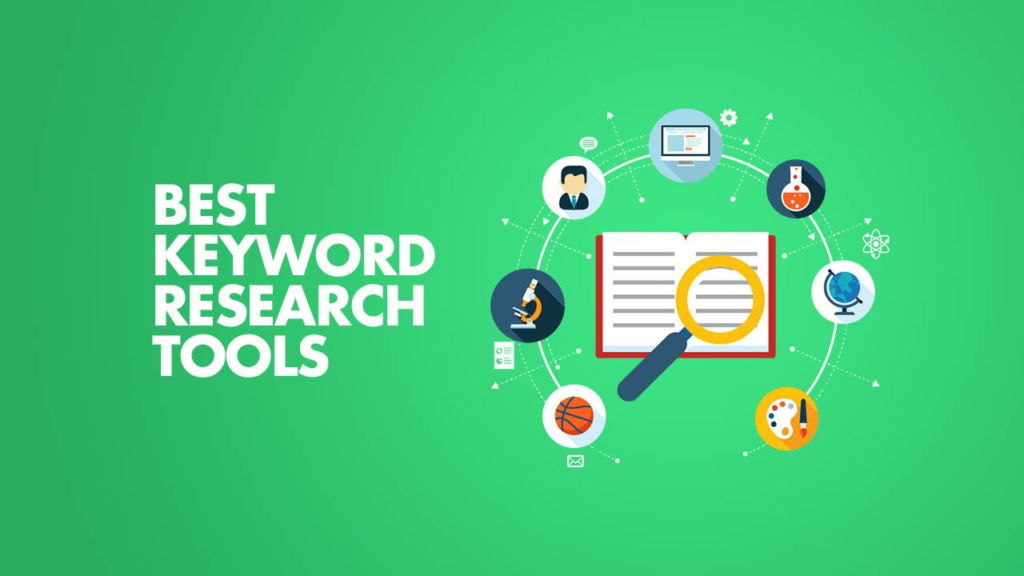
3. Keyword Research Tools That Focus on Intent
Old-school keyword research tools focused on volume and difficulty. That’s no longer enough.
Modern keyword tools in 2026 help you understand why someone is searching, not just what they’re typing. They group keywords by intent, show SERP features, and reveal whether Google expects a guide, a list, a comparison, or something else entirely.
This makes a huge difference when planning content that actually ranks.
4. Content Auditing & Refresh Tools
One of the smartest moves content teams are making right now is focusing on existing content instead of constantly publishing new pieces.
Content audit tools help you:
- Identify outdated posts
- Find cannibalized keywords
- Spot pages losing traffic
- Prioritize updates based on impact
Refreshing old blogs often delivers faster ROI than starting from scratch, especially for established sites.
5. A Reliable SEO Site Audit Tool
Technical SEO still matters. Maybe more than we like to admit.
A solid site audit tool helps content marketers understand issues like:
- Indexing problems
- Slow page speed
- Broken links
- Poor mobile usability
You don’t need to fix everything yourself, but you do need visibility. Content can’t perform if the foundation underneath it is weak.
6. Editorial Calendar & Workflow Management
Ideas aren’t the bottleneck anymore. Execution is.
In 2026, content teams are juggling blogs, updates, repurposing, social posts, newsletters, and refresh cycles. An editorial calendar tool keeps all of this visible.
The best ones go beyond scheduling. They help you track:
- Content status
- Owners and deadlines
- Update cycles
- Distribution plans
When everyone knows what’s happening and when, quality improves almost automatically.
Also Read: Why Content Distribution Matters More Than Creation
7. Content Optimization Tools
Once a piece is written, the work isn’t done.
Content optimization tools analyze your draft against what’s already ranking. They highlight gaps, missing topics, structural issues, and opportunities to improve clarity.
Used thoughtfully, these tools act like a second editor. They shouldn’t dictate every word, but they’re useful for sense-checking whether your content meets search expectations.
8. Performance Tracking & Attribution Tools
Traffic alone doesn’t tell the full story anymore.
In 2026, content marketers care about:
- Engagement
- Assisted conversions
- Scroll depth
- Return visits
Attribution tools help connect content to outcomes, even when the path isn’t direct. They answer questions like, “Which articles influence sign-ups?” or “Which content supports sales conversations?”
That insight helps justify content investments internally.
9. Content Distribution & Scheduling Tools
Publishing is just step one. Distribution is where many content strategies quietly fail.
Scheduling tools help content travel further by:
- Reposting evergreen content
- Sharing updates at different times
- Coordinating across platforms
The best tools also show which channels drive meaningful engagement, not just clicks.
Consistency here matters more than volume.
10. Knowledge Management & Content Libraries
As content grows, memory fades.
Content library tools help teams keep track of what exists, what performs, and what needs updating. They prevent duplicate efforts and make onboarding new team members easier.
In 2026, institutional knowledge is a competitive advantage. Tools that preserve it are worth their weight in gold.
Choosing Tools With Intention
It’s tempting to keep adding tools, hoping the next one will solve everything. In reality, most content marketers don’t need ten new platforms. They need fewer tools, used more consistently.
The best stack is the one your team actually understands and checks regularly.